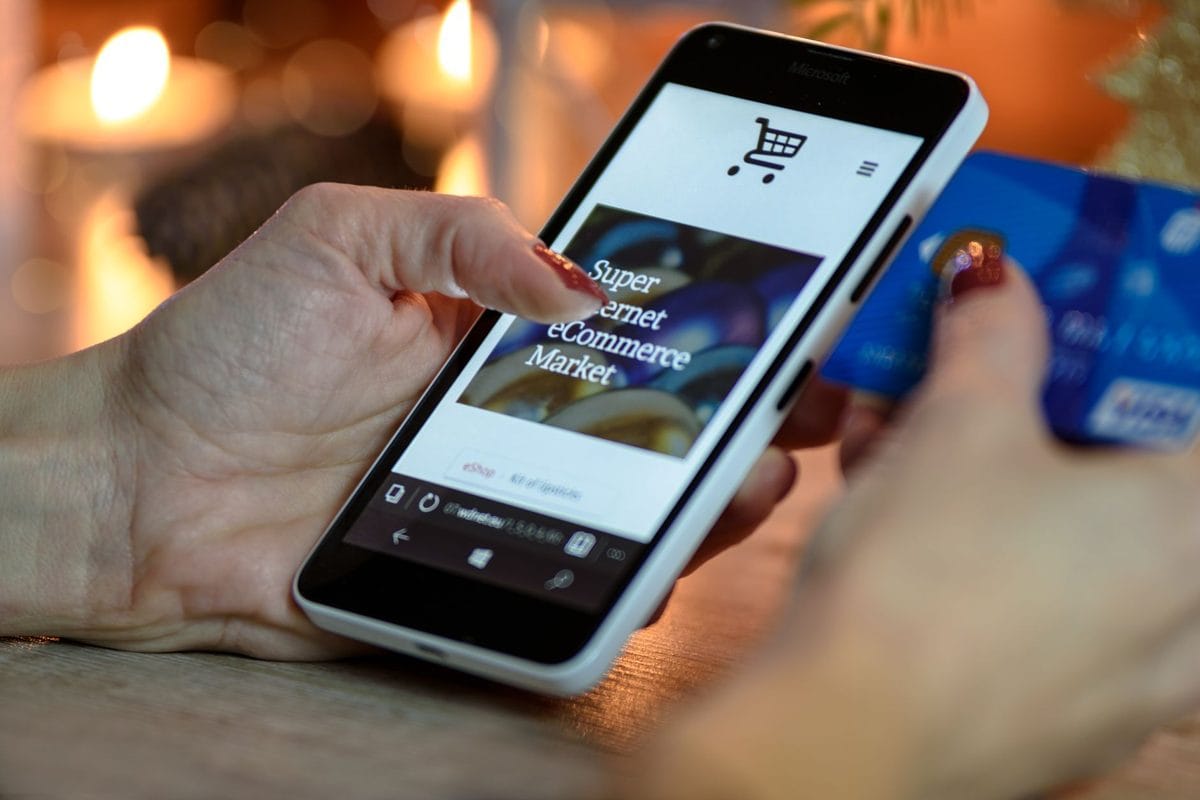
It is 10:40 on a Tuesday night. A banner promises a sitewide sale until midnight, and your thumb is already moving past a cashmere scarf that would suit your sister, then past a candle set for the hosts you will see at Thanksgiving on November 26. You have not decided to spend anything. The cart fills one tap at a time, and when you finally look up, the total has passed a number you would never have typed into a budget.
Why holiday money worry is so hard to see
Holiday spending rarely gets treated as a mental health issue. Ask most people about it and they will talk about budgets, rewards points and the right time to buy. Underneath those conversations sits a quieter worry: the fear of looking stingy, of falling behind the people around you, or of reaching January with a card balance you cannot explain. That worry is hard to name, so it tends to get handled the only way a store allows, which is by buying something.
The timing makes it worse. Money stress builds over weeks, and the holiday calendar builds with it. PayPal's survey found that 58% of shoppers plan to shop before Thanksgiving, and two in five intend to start by the end of October. That is several weeks before most households sit down with their numbers, and the purchases stack up in that gap.
What the 2026 surveys actually show
Two national surveys fielded this autumn tell the same story from different angles. PayPal asked 2,005 U.S. adults between September 2 and 4, 2026. Nearly six in 10 (58%) said they felt greater financial concern heading into the holidays, yet 64% still expected to spend the same or more than they did last year. Thrivent surveyed 2,158 adults between September 29 and October 8. More than two-thirds (68%) planned to cut back on at least one holiday expense, and 38% said they were more concerned about managing their holiday finances than in past years.
Put those numbers side by side and the contradiction is hard to miss. People are worried about money, and most still plan to spend. The surveys do not measure why, but my reading is that obligation does much of the work: the gift that feels expected, the host present for a dinner you were invited to, the sale that feels like a small favor to yourself. None of those reasons is foolish. They are just rarely written down before the cart opens.
Why buying feels like relief
A purchase closes an open question, even if only for a few minutes.
Holiday worry is full of open questions. What do I give? How many people am I buying for? Can I host without it costing more than I have? A purchase answers one of them immediately, and that answer feels like progress. The relief is real, but it is short. Most people feel the cost later, when the statement arrives or when they add up the gifts after the holiday, and by then the original worry has returned with interest.
Urge surfing, before the checkout button
Urge surfing comes from the relapse-prevention work of the psychologist Alan Marlatt, who applied mindfulness to cravings linked to alcohol, drugs and smoking. The idea is simple. An urge rises, peaks and falls like a wave, and you do not have to act on it at any point along the way. You stay with the sensation, watch it change and let it pass without feeding it.
The evidence for urge surfing comes from addiction treatment, not from shopping, so treat it as a tool to try rather than a guaranteed fix. It will not make a sale less tempting, and it will not replace a budget. What it does is add a few minutes between the urge and the purchase, and that gap is where a plan can get a word in. Try it on the checkout page:
- Leave the cart open, but do not press pay. Set a timer for ten minutes.
- Notice where the urge sits in your body. For many people it is in the chest, the jaw or the stomach.
- Name it in plain words, such as "I want this to make the holiday feel finished."
- Check the urge every few minutes and note whether it has grown, shrunk or changed shape.
When the timer goes off, ask one question: would I still want this if the sale ended tonight? If the answer is yes, buy it and move on without guilt. If the answer is no, close the tab. Both answers are fine. The one to avoid is the reflex answer, the purchase made before you asked the question at all.
Set the rules before the sale starts
The most common response in the PayPal survey was not restraint but structure. Thirty-six percent of respondents said they planned to set a budget and stick to it, ahead of comparing prices (32%) and waiting for sales (31%). A budget only works if you write it before the banner loads, so do it on a quiet Sunday and not in the middle of a sale.
Write three numbers on one page: the total you will spend, the number of people you will buy for, and the most you will spend on any single gift. If your bank lets you set aside a separate savings goal, put the total there so it is not sitting in the account you shop from every day. Make a recipient list and tick names off as you buy. Anything you add after that goes into a notes app and waits 48 hours. If an item still feels necessary after two days, buy it. If the list shrinks in that time, the exercise is working, and that is not a sign you are being mean.
Buy now, pay later needs its own rule
PayPal's survey found that 55% of respondents had used or considered buy now, pay later services, and 75% of those planned to use them for holiday shopping. Splitting a purchase into installments spreads the cost but does not shrink the total. Treat every installment as a bill you have already agreed to pay, and count it in the budget on the day you order. If you would not buy the item with cash that day, do not buy it on a payment plan either.
- Remove saved cards from the shopping apps you use most.
- Turn off one-tap checkout until January, because a single tap is the easiest way to skip the pause.
- Unsubscribe from retailer emails that run countdown timers.
Not every sale is a trap
Some purchases are worth the discount. If you need winter boots, a replacement kettle or a gift a relative has already asked for by name, buying during Black Friday on November 27 or Cyber Monday on November 30 can save real money. The question is not whether a deal exists. Ask whether you would buy the item at full price in an ordinary week. If you would, the sale is a bonus. If you would not, the discount is doing the persuading, and that is when the pause matters most.
Say your number out loud
Gift budgets often stay private, which means every household guesses at what everyone else is spending. PayPal's survey found that 34% of respondents planned to spend less on each gift, and 29% planned to buy for fewer people. Those choices are easier to make together than alone. Say your number to the people who will hear it first: "We're keeping gifts to $30 this year." It feels awkward for about a minute, and it gives everyone else permission to agree with you.
Start with the phone
If the worry has moved into your sleep, your debt or your daily routine, that is a question for a doctor or a licensed therapist, not for a budget app. For ordinary holiday pressure, the steps above are enough to begin with. Tonight, before bed, put your phone on the kitchen counter and leave the cart where it is. If the sale is still running tomorrow, it will still be there after you have written your three numbers.