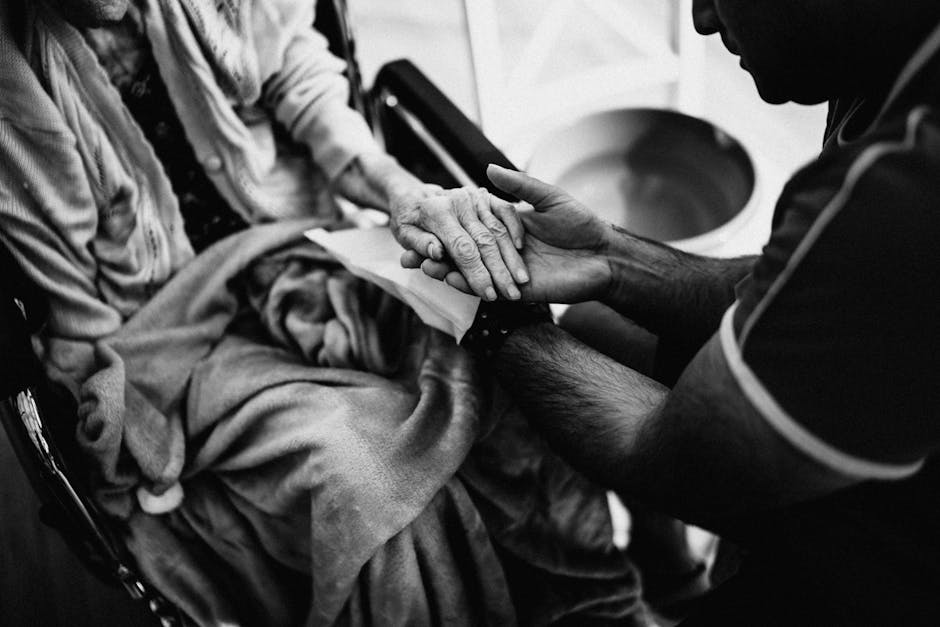
Caregiving — for children, ageing parents, ill spouses — produces higher burnout rates than most paid work. The combination of high emotional demand, unpredictable hours, social isolation, and lack of recognition is uniquely depleting. Most caregivers don't seek help until well into burnout.
Recognising early signs
Resentment of the person you're caring for (even when you love them deeply). Loss of pleasure in things you used to enjoy. Difficulty sleeping despite exhaustion. Frequent minor illnesses. Withdrawal from friends. These signal burnout, not failure of love.
What helps
Respite care (formal or informal — sister taking a weekend, paid carer for some hours). Specific hobbies or activities outside caregiving role (not optional self-care; required maintenance). Therapy specifically experienced with caregivers (different from generic). Caregiver support groups (UK has multiple).
Caregiving without support is one of the higher-risk activities for women's long-term mental health. Build support systems before crisis, not during.