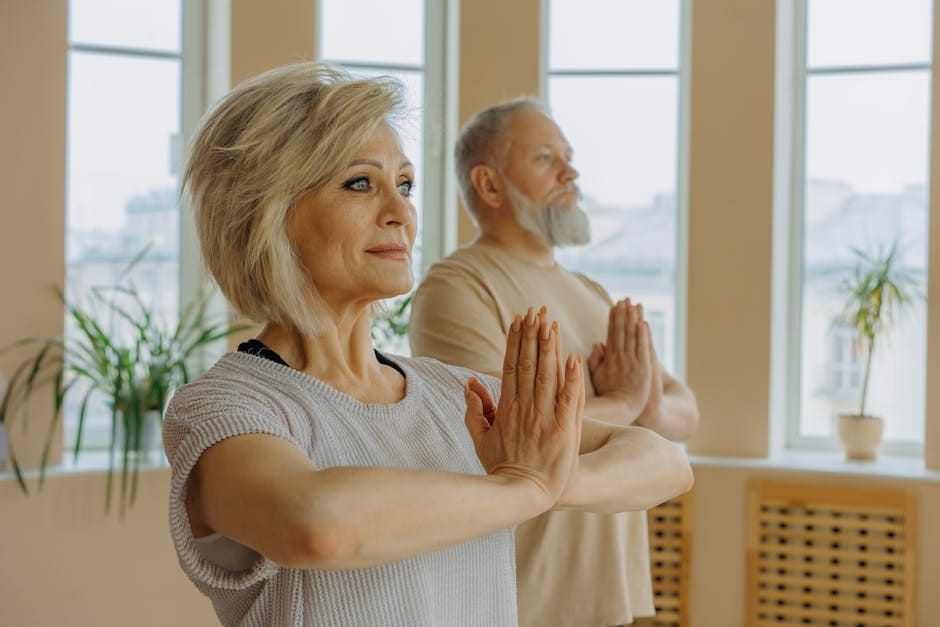
Telling an anxious person to 'just breathe' is a bit like telling someone who is cold to 'just be warm'. The intention is kind and the instruction is useless, because when your nervous system is in full alarm mode, a vague reminder to relax does not reach the part of you that is sounding the bell. What does reach it is the body. Your nervous system reads physical signals far faster than it reads good advice, and that is the loophole worth knowing — you can talk to it in its own language.
Why you can't think your way calm
When you are genuinely stressed, your sympathetic nervous system has flooded your body with adrenaline and cortisol, your heart rate is up, and the thinking part of your brain is running on reduced power. This is by design; it kept our ancestors alive. The problem is that a deadline, an awkward email, or a 2am spiral triggers the same response as a physical threat, and you cannot reason with a system that thinks you are about to be eaten. You have to send it a safety signal it can physically feel.
The fastest route to that switch is the vagus nerve, which runs from your brain to your gut and acts as the brake on the stress response. Several of the techniques below work precisely because they stimulate it directly.
Body-first techniques that actually work
The physiological sigh
This is the single most reliable one, and it takes about twenty seconds. Take a normal breath in through your nose, then sneak in a second short sip of air on top to fully inflate your lungs, then let it all out slowly through your mouth. Do it two or three times. Researchers at Stanford found this pattern lowered stress and improved mood more than standard meditation in a daily five-minute trial. The long exhale is the active ingredient — it slows your heart rate within a single breath.
Cold water on the face
Splash cold water on your face, or hold something cold against your cheeks and the area around your eyes for thirty seconds. This triggers the mammalian dive reflex, which automatically slows your heart and pulls your body out of fight-or-flight. It is not a metaphor or a wellness trend; it is a hardwired reflex, and it works even when your mind is convinced nothing will help.
Move, then ground
Stress hormones are meant to fuel movement, so give them somewhere to go — thirty seconds of fast stairs, shaking out your arms, a brisk walk round the block. Then ground yourself by naming five things you can see, four you can hear, three you can touch. The movement burns off the chemical charge and the grounding pulls your attention out of the future, where anxiety lives, and back into the room.
The longer game
In-the-moment tools are for fires. But a nervous system that is calmer at baseline is built quietly, over weeks, through unglamorous habits:
- Sleep, which is the foundation everything else sits on — protect it before you optimise anything else.
- Daylight in the morning, ideally within an hour of waking, to set your stress-hormone rhythm for the day.
- Regular movement, not as punishment but as maintenance.
- And fewer of the inputs you already know wind you up, whether that is doomscrolling at midnight or a relationship that keeps your shoulders by your ears.
None of this is dramatic, which is exactly why it is easy to skip and easy to underrate.
When to get help
These techniques manage a stress response; they are not a treatment for an anxiety disorder. If anxiety is interfering with your sleep, work, or relationships most days, or if the spirals are getting harder to climb out of, talk to your GP or a therapist. Reaching for help early is not weakness, and you would not try to splash cold water on a broken leg.
Build a reset you'll actually reach for
Knowing the techniques and using them in the moment are two different things — when you are spiralling, you will not scroll back through an article. So build one short, fixed routine now, while you are calm, and practise it a few times so your body knows the steps before you need them.
A reliable ninety-second version stacks two or three of the tools: start with three physiological sighs to drop your heart rate, splash or press something cold to your face for thirty seconds to trigger the dive reflex, then ground yourself by naming five things you can see and four you can hear. The order matters less than the sequence being automatic. The point is to give your hands and breath something to do so your racing mind has to follow.
Then make it findable. Write the three steps on a card in your bag, save them as a note pinned to your phone's home screen, or stick them inside a cupboard door at home. It feels over-prepared until the night you are wide awake at 2am and genuinely cannot remember a single thing that helps. That is exactly when a pre-made, three-line reset earns its keep — not because it is clever, but because it is already there and asks nothing of the part of you that has gone offline.
Practise it on small stresses, not just big ones — the held breath before a difficult call, the flash of irritation in traffic. Each rep teaches your nervous system that the alarm can be turned down, and the routine you have rehearsed on minor stress is the one that actually shows up when it counts.
The next time someone tells you to just breathe, you will at least know why it lands so flat. Calm is not a decision you make with your mind; it is a state you coax out of your body. Learn two or three of these, keep them somewhere you will remember them at 2am, and you will stop feeling so at the mercy of your own alarm system.