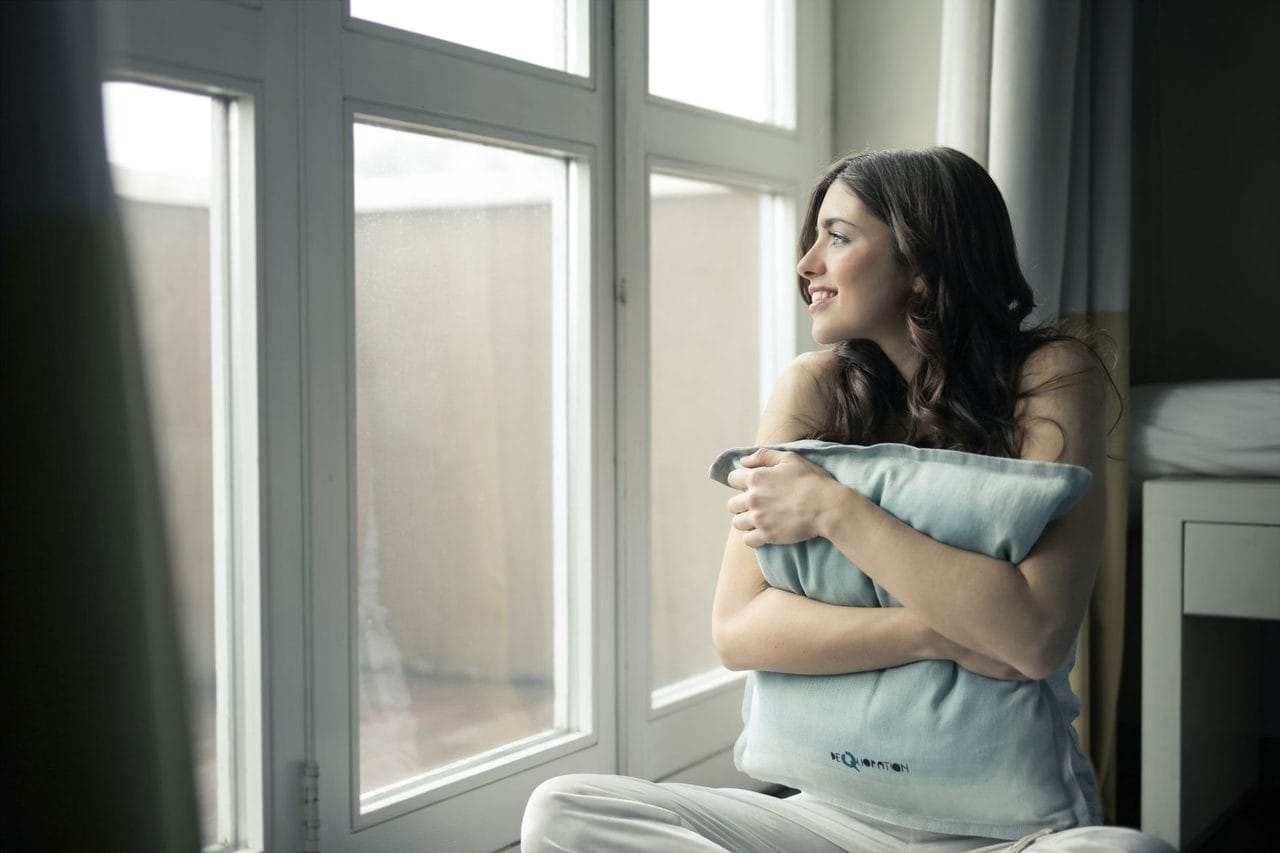
You cleared the whole Sunday. No plans, no messages you owed anyone, just the sofa, a blanket, and three episodes of something you'd already seen. By six in the evening you felt heavier than you did on Friday. The day off worked exactly as planned and you're still knackered — which makes no sense, until you realise that lying down and being rested are two completely different things.
Sleep researcher Dr Saundra Dalton-Smith put a name to this gap a few years back, and once you've heard it you can't unhear it. There isn't one kind of rest; there are seven. We treat them all as if a nap fixes everything, the way we'd treat a phone that's dead in seven different ways by plugging it into one charger. Sometimes the charger isn't the problem. Sometimes the screen's been on at full brightness for eleven hours and what it actually needs is for you to stop poking it.
Why the sofa day doesn't always work
Physical rest is the one we all know, and it splits into two halves that don't always travel together. Passive physical rest is sleep and lying down — the obvious stuff. Active physical rest is the part most of us never get round to: stretching, a slow walk, the ten minutes of actually unclenching your shoulders that you keep meaning to do. You can sleep nine hours and wake up with your jaw still tight from grinding, because passive rest topped up one tank while the other stayed empty.
Here's the catch with the sofa day. It pours everything into passive physical rest — which, if you've been sleeping fine and your real deficit is somewhere else entirely, is like topping up a full petrol tank while the tyres are flat. You've spent the day "resting" the one thing that wasn't actually running low. No wonder you stand up feeling cheated.
The six other kinds nobody schedules
Once you stop assuming all tiredness is physical, the other six start to make uncomfortable sense.
Mental rest
This is the deficit behind the 3am ceiling-stare and the fact that you reread the same paragraph four times. Mental rest isn't about doing nothing — it's about the background tabs in your head going quiet. The running to-do list, the conversation you're rehearsing, the thing you mustn't forget to buy. A weekend of telly does nothing for this, because your brain keeps narrating underneath the noise. The small fix that genuinely helps: a notebook by the bed so the 11pm thoughts have somewhere to go that isn't your skull.
Sensory rest
Bright screens, group chats pinging, the hum of an open-plan office, your kids talking over a TV that's also on — this is sensory load, and most of us are drowning in it without clocking it. By the end of a normal Tuesday your senses have processed more input than a person from two generations ago handled in a week. The tell-tale sign you're short on sensory rest is that small noises make you irrationally furious. Closing your eyes for two minutes in a quiet room, or driving home with the radio off, does more here than an hour of scrolling — which, of course, is itself pure sensory input dressed up as relaxation.
Emotional rest
You're the friend everyone rings when it's gone wrong. You're "so good with people" at work. You hold it together in the group and fall apart, quietly, in the car park afterwards. Emotional rest is the freedom to stop performing fine — to answer "how are you" with the actual answer instead of the polite one. People who are chronically short on this are usually excellent at it and resentful underneath, and they often don't realise the resentment is just exhaustion wearing a nastier coat.
Social rest
Not all company drains you equally, and this one surprises people. Social rest isn't necessarily about being alone — it's about being around the people who don't require a version of you. Some friendships are restful; you could sit in silence and it's fine. Others, even ones you love, are a low-grade tax: you're slightly on, slightly managing, slightly the host. If you're an extrovert, by the way, total solitude can leave you more depleted, not less — social rest for you might mean a long uncomplicated phone call, not a silent flat.
Creative rest
This one sounds like a luxury and isn't. Creative rest is what you're missing when every problem feels grey and you can't summon a single original thought — when even choosing what to cook for dinner feels like one decision too many. It's restored not by producing anything but by taking beauty in: a proper walk somewhere green, a gallery, a film that wasn't on in the background while you did three other things. If your job runs on ideas and you've gone flat, no amount of sleep brings the ideas back. The well is a different well.
Spiritual rest
The grandest-sounding name, and you don't need to be religious for it. Spiritual rest is the sense of belonging to something larger than your own logistics — feeling that what you do matters beyond the to-do list. For some that's faith; for plenty of others it's volunteering, being in nature, a community that knows your name. When this tank's empty you feel oddly pointless even when life is objectively fine, and you can't talk yourself out of it, because it isn't a thinking problem.
How to tell which one you actually need
The honest answer is that most of us are running a deficit in two or three at once, and the trick is working out which is loudest. A rough diagnostic that takes about thirty seconds: notice what you reach for when you're knackered, because we almost always reach for the wrong thing. If you collapse onto the sofa and scroll, you're treating physical tiredness — but if scrolling makes it worse, your real shortage is sensory or mental, and you've just poured more input onto an already-flooded system.
Ask yourself what specifically feels hard right now. Can't face one more decision? That's mental. Want to scream when someone speaks to you? Sensory. Tired of being the strong one? Emotional. Dreading a coffee with someone you actually like? Social. Everything feels beige and ideas won't come? Creative. Quietly wondering what the point is? Spiritual. The kind of rest you need is usually the one you've been avoiding, because it's less convenient than lying down — emotional rest means an awkward honest conversation, creative rest means leaving the house, and the sofa asks nothing of you at all. That's exactly why the sofa keeps losing.
You don't have to fix all seven, and you certainly can't this weekend. Pick the one that made you wince reading this — there's usually one — and give it twenty real minutes. Not the whole Sunday. Twenty minutes of the right rest beats a full day of the wrong kind, and you'll feel the difference by Monday in a way that frightens you slightly, because it was always that simple and nobody mentioned it.